Nowadays, in the world of industry, having the right equipment can make a huge difference when it comes to keeping things running smoothly. Take Industrial Voltage Regulators, for example — they’re pretty much essential for keeping the voltage steady and protecting your gear from those unpredictable fluctuations. A lot of companies really rely on these devices to keep everything safe and reliable.
But honestly, choosing the right regulator can feel a bit overwhelming, right? There are so many options out there, each with different features and specs, and it’s tough to know what’s best. Of course, you want something that’s good quality but also not gonna break the bank. Brands like APC, Tripp Lite, and Siemens are pretty well-known for their reliable gear, but they each have their own quirks in terms of performance and design. Figuring out which one suits your needs takes some research — it’s not always straightforward.
And let’s be real — even with all the reviews and recommendations, not every option will fit your specific situation. Sometimes, looking back on past experiences can help guide your choice. Sometimes, even a leading brand isn’t the perfect fit for what you need. Checking out what real users are saying can be a game changer — it gives you a better idea of whether a product really works as promised. Bottom line? Picking the rigHt Voltage Regulator is all about finding a good balance between what you know, your operational needs, and a bit of practical sense. Aim for something that really aligns with your actual demands — and don’t be afraid to dig a little deeper to find that perfect match.

Overview of Industrial Voltage Regulators and Their Importance
Industrial voltage regulators play a critical role in maintaining power quality. These devices ensure that machinery operates within optimal voltage levels. Fluctuations in voltage can cause inefficiencies and damage equipment. A well-functioning regulator can enhance the reliability of an entire system.
The importance of industrial voltage regulators extends to energy savings. By providing stable voltage, they minimize energy waste. This is crucial for industries looking to cut costs while maintaining performance. However, not all voltage regulators are created equal. Some may not perform well under certain conditions. It’s essential to assess each regulator's specifications and suitability for specific applications.
When considering ODM Industrial Voltage Regulators, think about your specific needs. Environmental factors and power requirements vary widely. Choose regulators that can adapt to these changing conditions. Testing different models can sometimes reveal unexpected challenges. Real-world applications may differ from theoretical expectations. Finding the right fit requires careful planning and an understanding of your operational landscape.
Key Factors to Consider When Choosing a Voltage Regulator
When selecting a voltage regulator, there are essential factors to remember. Performance characteristics play a significant role in the decision-making process. Look for regulators that offer stable voltage output. This stability is crucial for sensitive industrial applications. The operating temperature range is also vital. High temperatures can impact a regulator's reliability.
Consider the power handling capability. Choose regulators that can manage your equipment's power requirements. In many cases, OEM Industrial Voltage Regulators provide an array of options. They often meet specific industrial standards, ensuring quality and reliability. Evaluate how much ripple voltage you can tolerate. This factor can affect the overall efficiency of your setup.
Don’t overlook the regulatory compliance of your chosen device. Proper certifications signify a product that meets necessary safety and performance standards. Cost is another critical aspect. Cheaper isn't always better. A low-cost voltage regulator may lead to additional maintenance costs. Assessing these elements carefully can help avoid future issues and ensure optimal performance.
Comparison of the Top 10 Industrial Voltage Regulators in 2023
In 2023, selecting the right industrial voltage regulator is crucial. Industry professionals now compare various models to ensure efficiency and reliability. Understanding key features is vital. Look for voltage stability, load capacity, and thermal performance. Many factors influence these choices, and navigating these options can be overwhelming.
Tips:
When assessing voltage regulators, prioritize those meeting your specific operational needs. A detailed analysis can help avoid costly mistakes. Consider factors like environmental conditions that may affect performance. Don’t forget to review customer feedback, as real-world experiences provide valuable insights.
Another aspect is the installation process. Even the best industrial voltage regulators may require adjustments to function optimally. Installation errors can lead to inefficiencies. Sometimes, the solution lies in consulting with specialists from an Industrial Voltage Regulators Factory. Their expertise can ensure you make informed decisions.
Explore the latest models and compare specifications. New technologies may offer better efficiency and reliability. Stay updated on industry trends to make the most informed choices. Remember, it's not just about buying a device; it's about investing in your operational efficiency for years to come.
Detailed Features of Each Recommended Voltage Regulator
When selecting an industrial voltage regulator, it’s crucial to understand the features that make each one unique. A good voltage regulator ensures consistent performance and reliability. Look for devices that offer a wide input voltage range. This feature allows them to function effectively in varying power conditions. Heat management is also vital. Regulators with built-in thermal protection are preferable, as they can prevent overheating.
Another important aspect is the response time. A quick response ensures that voltage fluctuations are addressed almost instantaneously. Choose regulators capable of handling transient conditions. These fluctuations can occur due to varying loads. Additionally, check the installation process. User-friendly designs can save time and reduce mistakes during setup, which is essential for busy environments.
Finally, consider the support from the suppliers. Strong support from an Industrial Voltage Regulators Supplier can make a significant difference in the long run. Having access to knowledgeable professionals for guidance improves reliability. Some users may neglect this aspect, leading to challenges. It is essential to weigh your options carefully to find the regulator that best fits your needs.
User Reviews and Performance Ratings of Top Voltage Regulators
When selecting an industrial voltage regulator, user reviews and performance ratings play a critical role. Analyzing feedback from actual users highlights real-world applications and reliability. According to studies, about 75% of users reported improved system stability after switching to higher-rated regulators. This suggests that performance metrics significantly impact user satisfaction.
Many users noted issues such as inconsistent voltage output and overheating during peak operations. Such challenges often indicate the need for better quality components in voltage regulators. Depending on the industry, a regulator's efficiency rating can greatly influence energy costs and operational reliability. Reports show that switching to a more efficient model can reduce energy consumption by up to 30%.
Tips: Always consider the specific requirements of your application. Ensure you review performance ratings and user feedback carefully. Regular maintenance of voltage regulators can prevent issues and extend their lifespan. Adjusting settings based on load demands can also enhance performance. The right choice is not always the most expensive one; sometimes, it’s about matching regulator capabilities to your operational needs.
Maintenance Tips for Optimal Performance of Voltage Regulators
Voltage regulators play a critical role in maintaining optimal performance in various industrial applications. To ensure longevity and reliability, regular maintenance is essential. According to a recent industry report, approximately 20-30% of voltage regulator failures occur due to inadequate upkeep. Simple maintenance tasks can significantly enhance performance.
One key aspect is to routinely check connections. Loose or corroded terminals can lead to voltage fluctuations. Regularly inspect wiring for signs of wear or damage. Environmental factors also play a role. Dust accumulation can affect cooling efficiency, leading to overheating. Keeping the regulator clean can prevent this issue.
Calibration is another vital maintenance step. It helps ensure the regulator operates within specified limits. Neglecting calibration can result in poor voltage regulation, affecting connected equipment. Consider developing a maintenance schedule based on usage data. Reports indicate that proper maintenance can lead to a 15-20% increase in operational efficiency. Regular attention to these factors may save companies from costly downtime in the long run.
Future Trends in Industrial Voltage Regulation Technology
The landscape of industrial voltage regulation is evolving rapidly. Recent advancements include digitalization and smart technology integration. Smart voltage regulators monitor and adjust output automatically. This feature enhances efficiency and reduces energy waste. Many industries are now shifting from analog to digital solutions. This transition allows for real-time data analysis and management.
Sustainability is another key trend. Manufacturers are prioritizing energy-efficient designs. These systems can adapt to variable loads and fluctuating energy demands. The emphasis on green technology shapes future developments. However, not all designs achieve optimal performance. Balancing complexity and reliability remains a challenge.
Additionally, cybersecurity is critical. As technology advances, the risk of cyber threats increases. Voltage regulation systems must incorporate robust security measures. This protects sensitive data and operational integrity. Hence, ongoing assessments and updates are crucial. Industries must remain vigilant to maintain a secure environment. The future of voltage regulation relies on these interconnected advancements.
Top 10 Industrial Voltage Regulators You Should Buy Now
| Model | Input Voltage Range | Output Voltage | Max Output Current | Efficiency | Special Features |
| VR-1000A | 85-265V AC | 24V | 10A | 95% | Compact design |
| VR-2000B | 90-240V AC | 12V | 15A | 92% | Overload protection |
| VR-3000C | 100-240V AC | 48V | 8A | 94% | Remote monitoring |
| VR-4000D | 85-250V AC | 36V | 20A | 96% | High stability |
| VR-5000E | 90-265V AC | 60V | 5A | 93% | Multi-output |
| VR-6000F | 85-230V AC | 24V | 15A | 90% | Fanless design |
| VR-7000G | 100-250V AC | 48V | 10A | 95% | Digital display |
| VR-8000H | 90-240V AC | 36V | 12A | 91% | Short circuit protection |
| VR-9000I | 85-265V AC | 12V | 20A | 92% | Transient response |
| VR-10000J | 90-250V AC | 48V | 15A | 94% | Eco-friendly design |
FAQS
: Look for voltage stability, load capacity, and thermal performance. These factors are crucial for efficiency.
Real-world user experiences highlight reliability and performance. Many users report system stability improvements with higher-rated models.
Regular maintenance can enhance performance and extend lifespan. Neglecting upkeep leads to failures and inefficiencies.
Inconsistent voltage output and overheating are frequent complaints. These may signal the need for better quality components.
Routinely checking connections is vital. Loose or corroded terminals can cause voltage fluctuations and performance issues.
Calibration ensures the regulator operates correctly. Failing to calibrate may result in poor voltage regulation and affect equipment.
Yes, adjusting settings according to load demands enhances performance. This practice is essential for operational efficiency.
Yes, using a more efficient model can cut energy consumption by up to 30%. It may lower operational costs significantly.
Dust accumulation can hinder cooling and lead to overheating. Keeping the regulator clean helps maintain optimal performance.
Consulting with specialists can help. Expert advice can ensure proper installation and function of the equipment.
Conclusion
Industrial Voltage Regulators play a crucial role in maintaining the stability and efficiency of electrical systems across various industrial applications. This article provides a comprehensive overview of their importance, emphasizing the need for reliable voltage regulation to protect equipment and ensure operational continuity. Key factors to consider when selecting a voltage regulator include output voltage accuracy, load capacity, response time, and environmental conditions.
The comparison of the top 10 Industrial Voltage Regulators in 2023 highlights their distinctive features, user reviews, and performance ratings, offering valuable insights for potential buyers. Additionally, the article offers maintenance tips to enhance the longevity and efficiency of these devices, alongside a discussion of future trends in industrial voltage regulation technology. By understanding these aspects, readers can make informed decisions and improve their industrial power systems.

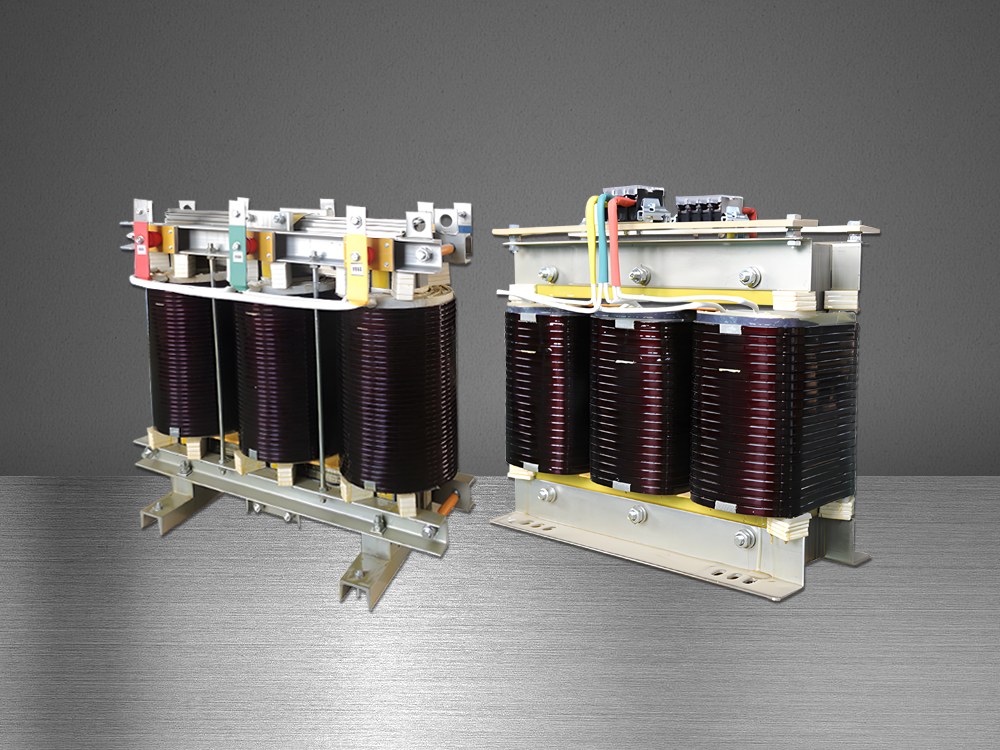 Three-Phase Isolation Transformer
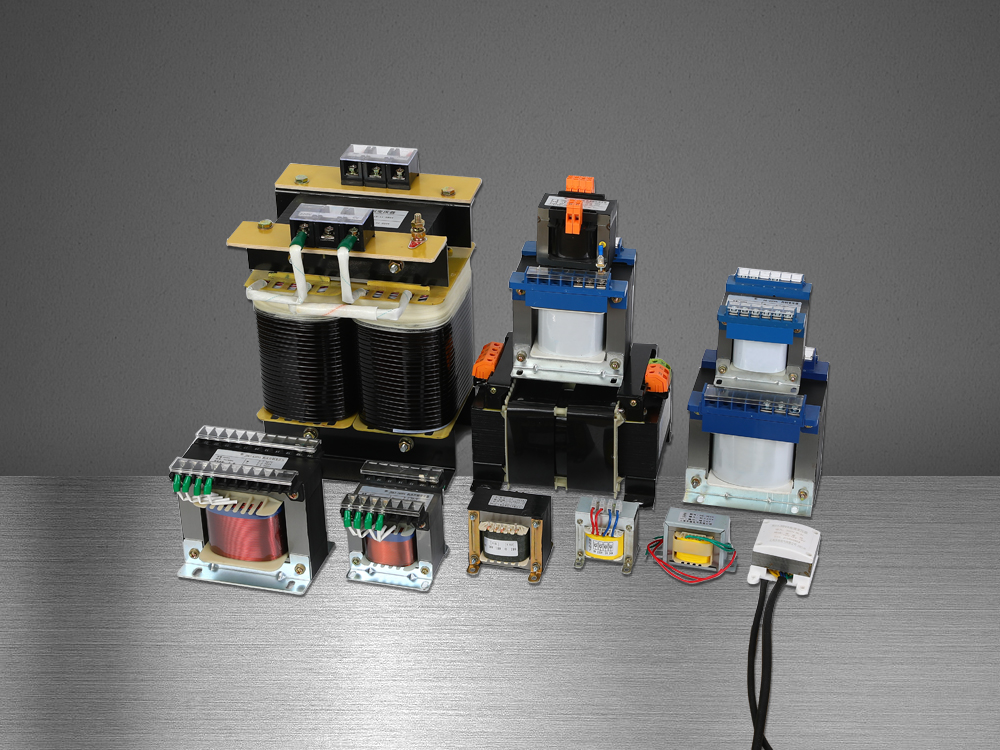 Control Transformer
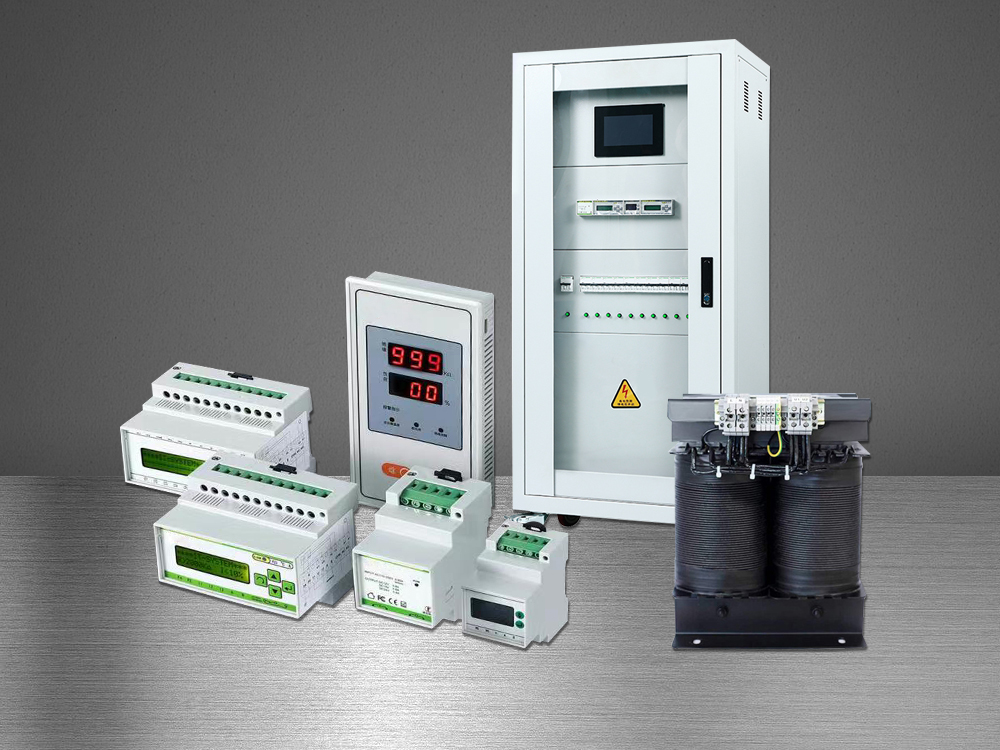 Medical IT Isolated Power System
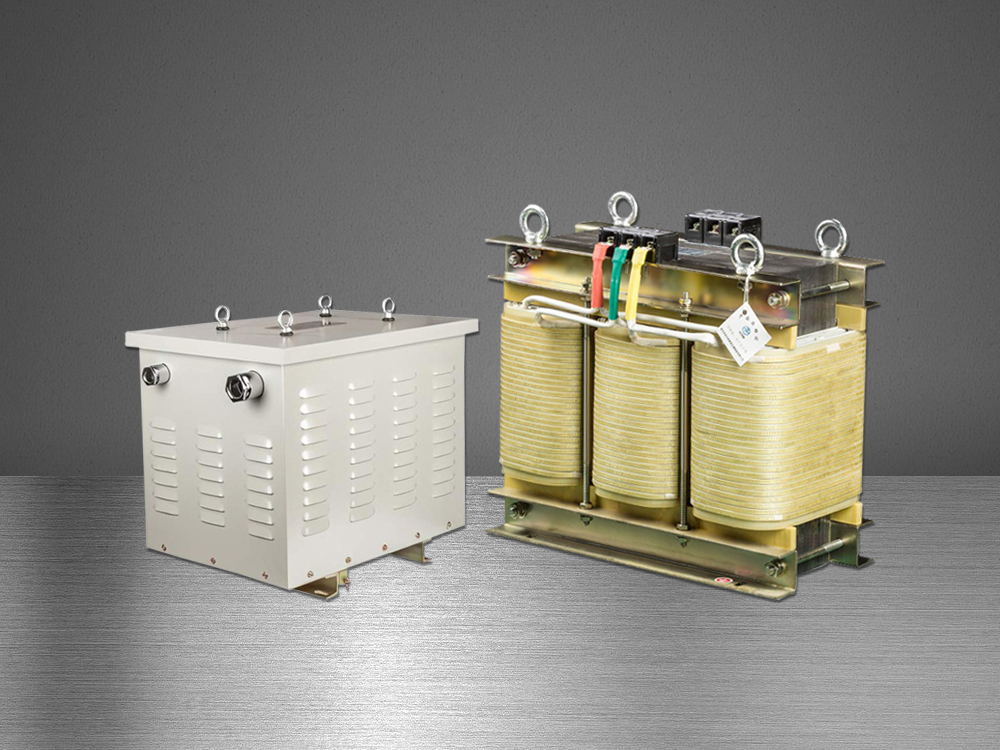 Marine Transformer
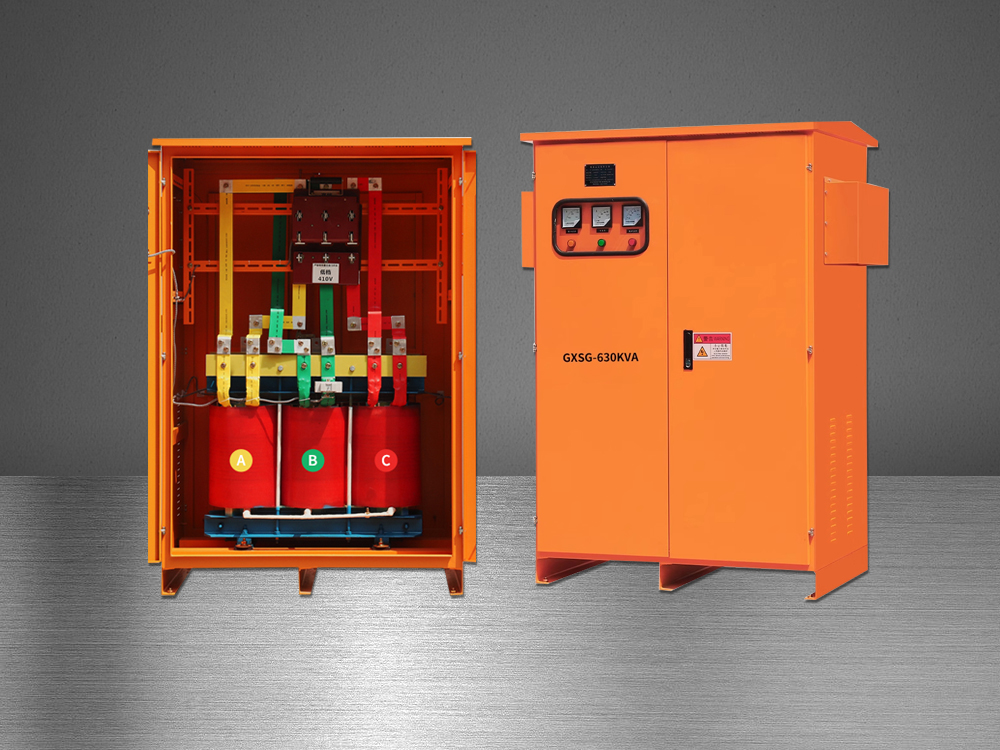 Tunnel Transformer
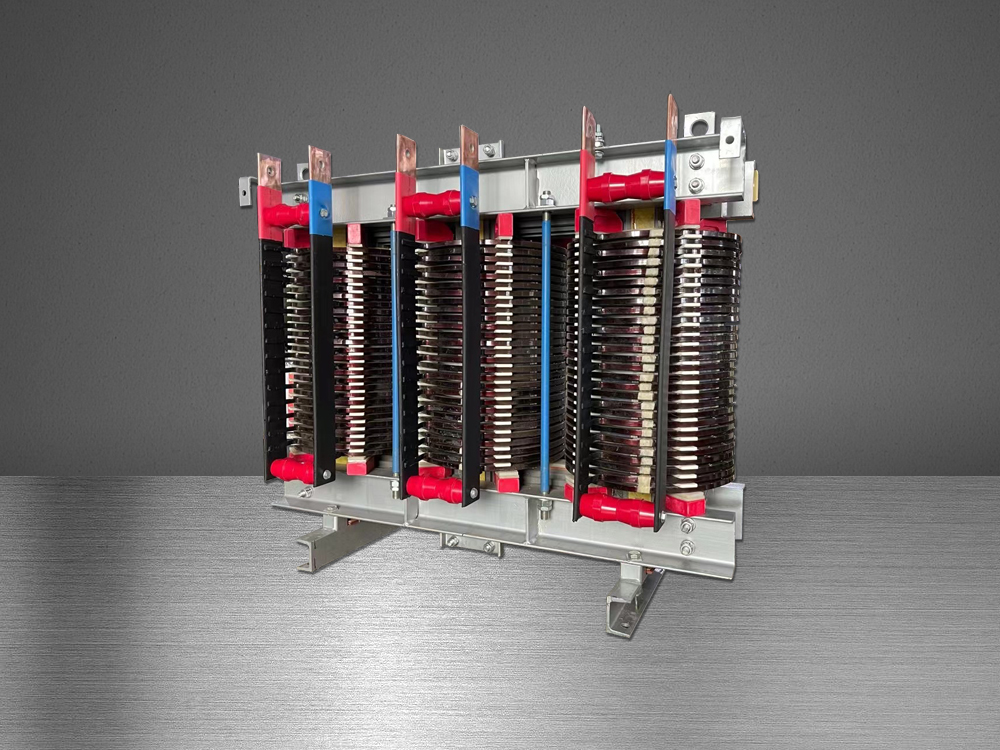 High Current Transformer
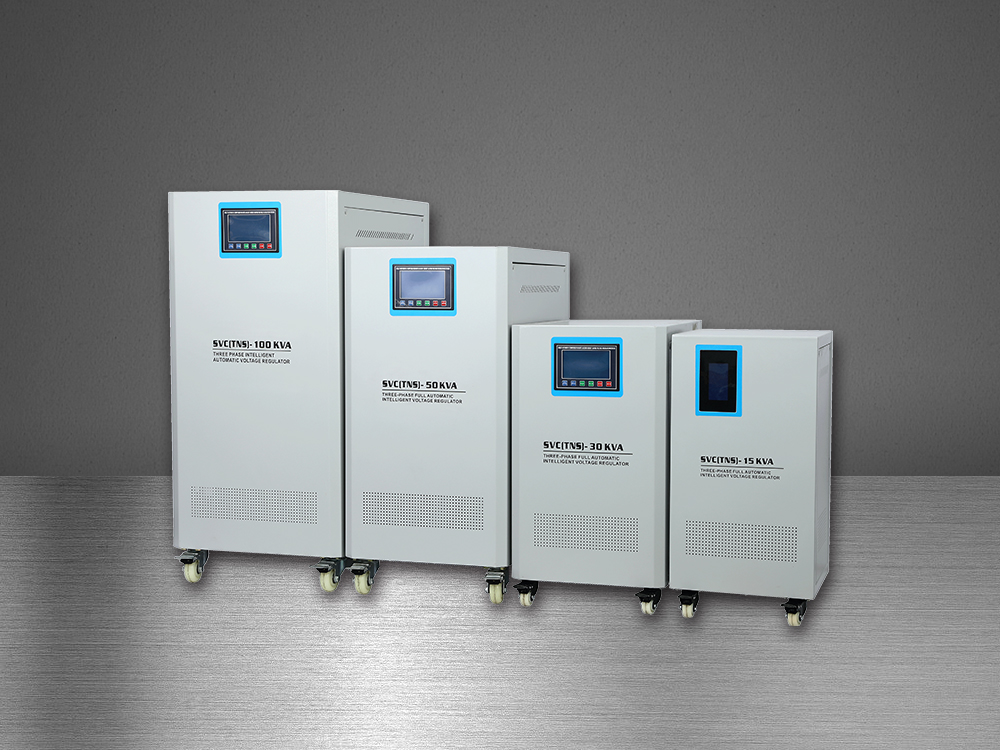 Automatic Voltage Regulator
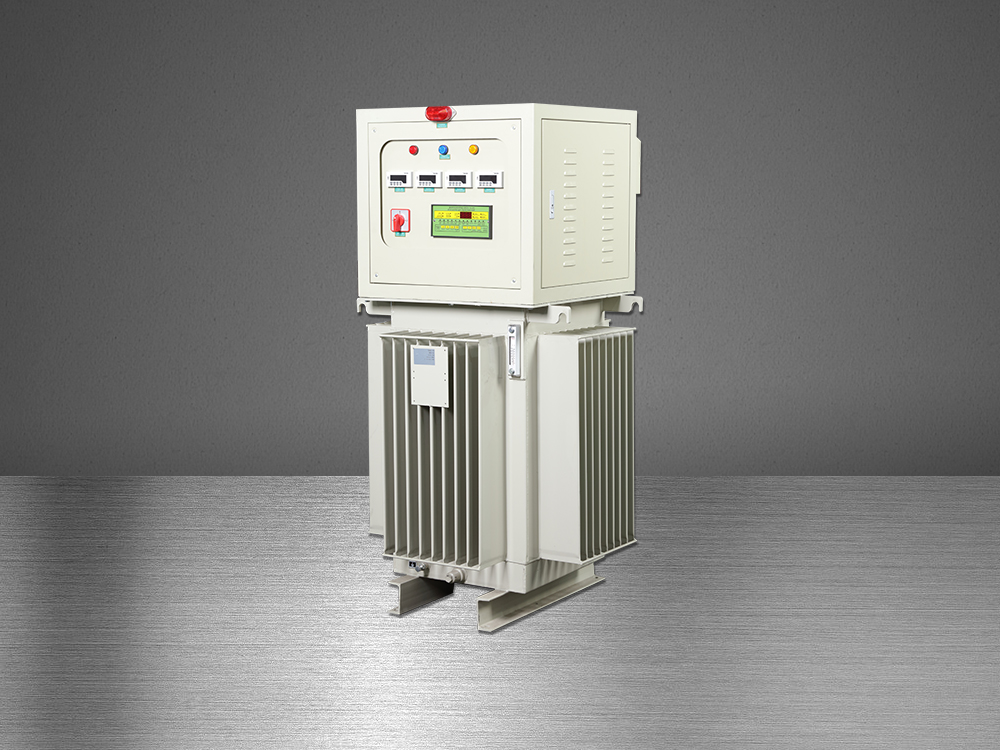 Oil Immersed Voltage Regulator


